

Forget the guesswork of placing a wager days before an event. In-play betting, also called live betting, is all about making decisions after the action has started.
This reactive form of wagering replaces pre-match predictions with real-time information. You can spot momentum shifts early and sometimes find value from bookmaker pricing errors during rapid market movements.
The second source describes this environment as “fast, fun and dangerous without rules.” The compressed decision time introduces significant risk. Emotional control and pre-set limits are essential to avoid costly mistakes.
Success requires understanding pace, latency, and disciplined decision-making. The rest of this article details a structured approach to live betting mastery built on these simple, core rules.
What Changes Live (Pace, Injuries, Score)
Success in live betting comes from spotting the gap between an event and the market’s response. This gap, known as latency, is your chance. The game is now a dynamic story, with pace, injuries, and scores constantly changing.
These elements greatly affect the outcome. Bookmakers use models to set odds, but these systems can be slow to adjust to real-world changes. This delay creates chances where odds don’t yet reflect the new situation.
The game’s pace is a subtle but powerful signal. A soccer team pressing hard early on might tire later and concede goals. A tennis player trying to unsettle their opponent might make more mistakes. These tempo changes affect the risk and reward of bets.
A sudden injury to a key player is a big deal. The team’s performance often changes a lot. But the market doesn’t adjust instantly. This latency is where you can find value. Knowing the player’s role helps you act before the odds change.
Every score change is a shift in momentum. A goal, whether expected or not, changes the team’s mood and energy. The scoring team gets more confident, while the conceding team might become desperate. This opens up new betting opportunities.
Big events like red cards or strict refereeing also change the game. A team down a player will likely play more defensively. This makes betting on low-scoring games more appealing. The key is to spot these changes and act quickly. This latency period is key.
Live betting is all about emotions. The excitement can lead to quick, impulsive decisions. But a disciplined bettor separates emotions from facts. They ask: How does this change the game? Is the market overreacting or underreacting? By focusing on pace, injuries, and scores, you make decisions based on facts, not feelings.
In summary, the live bettor’s edge is in reading the game faster than the market. Look for these three live changes:
- Pace Changes: Tactical shifts, energy levels, and player fatigue.
- Injuries: The loss of a star player or key defender.
- Score Changes: Goals that alter momentum and team strategy.
Understanding the latency in the system after these events is what turns observation into opportunity.
Avoiding Latency Traps
Avoiding latency traps is more than just fast internet. It’s a skill that sets winners apart. A latency trap happens when there’s a big delay between what’s happening and what you see. This delay can ruin your bet before you even place it.
There are two main types of traps. First, you might act on old information because your video stream is slow. Second, you might think a betting price is good, but it’s already changed. Bookmakers can’t always update odds fast enough, giving smart bettors a chance to make money.
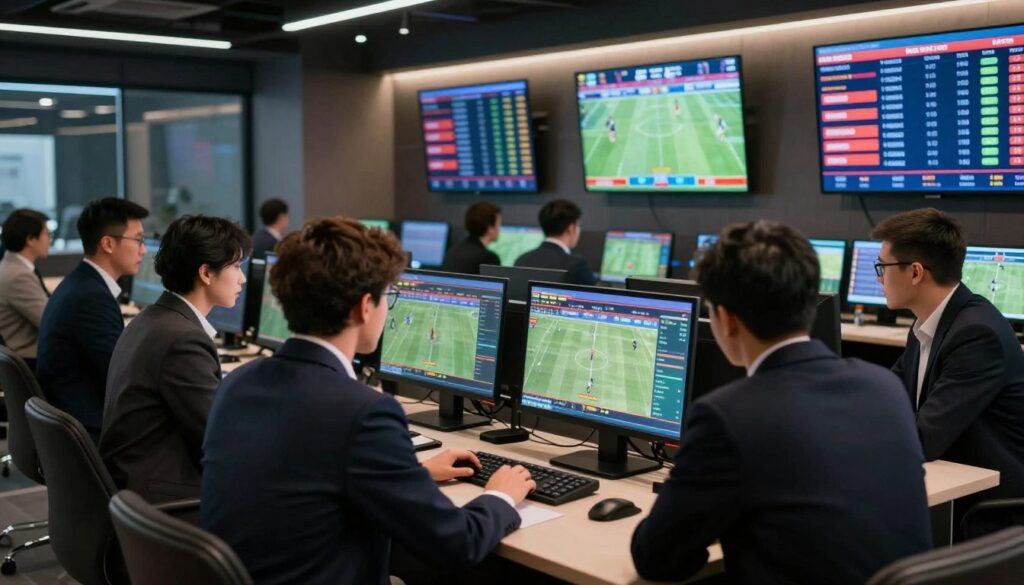
To avoid these traps, be proactive. Use official data feeds or apps for the latest stats. Remember, broadcast delays are normal and can be long. You need a very fast and stable internet to avoid your own delays.
The mental game is also key. After a loss, you might want to bet again right away. This is a common trap. Taking timeouts helps. A timeout is a break where you step away for a bit.
This break helps you think clearly. It stops you from making emotional bets. Follow smart bankroll rules and use small stakes. For more on this, check out the hidden challenges of live betting.
Timeouts are like your own instant replay. They give you time to think without pressure. With this discipline and technical knowledge, you’ll avoid traps and find real opportunities.
“If–Then” Rules You Can Use
Using ‘If-Then’ logic changes how you bet in live games. It turns guessing into making smart choices. This method helps you see the game’s value clearly.

Good in-play betting isn’t about guessing. It’s about spotting patterns and acting on them. Your rules act like a personal betting guide.
Let’s make these ideas real. Football is a great place to start.
IF a soccer team is pushing hard, with lots of shots but no score, THEN bet on them to score next. Often, their hard work pays off.
Discipline is key in football. IF a team gets a red card, THEN bet against them right away. The chaos usually hurts them. But, IF they adjust well after 10-15 minutes, THEN bet on them. Their odds might be too good to pass up.
Basketball has clear signs of momentum. IF a team is making three-pointers at an unusually high rate in the first half, THEN be careful betting against them. Their hot streak can change the game.
Rules need discipline to work. The second source shares a key pre-bet routine. Before betting, ask four questions:
- What specific event am I betting on?
- What odds make this bet valuable?
- What information do I have that the market might not?
- How does this fit my overall bankroll plan?
This routine stops impulsive bets. It makes sure every bet is based on solid logic.
Use these specific signs with the general questions. You get a checklist for in-play betting. This table shows key rules to add to your strategy.
| Sport | Game Situation (IF) | Recommended Action (THEN) | Key Rationale |
|---|---|---|---|
| Soccer | Sustained offensive pressure, high shot volume without a goal | Back “Next Goal” market for the attacking team | Momentum and probability favor a breakthrough during dominant spells. |
| Soccer | A key player receives a red card | Oppose the penalized team short-term, then evaluate for value after reorganization | Immediate disruption is negative, but adjusted tactics can create undervalued odds. |
| Basketball | Team’s three-point percentage is significantly above season average in first half | Factor hot streak into spread bets; avoid fading the momentum prematurely | Shooting variance can sustain, making standard defensive adjustments less effective. |
| All Sports | An urge to bet on a sudden line move or emotional swing | Pause and run through the four pre-bet questions | This filters out noise and ensures every in-play betting decision has a documented reason. |
These “If-Then” statements are just the start. Tailor them to fit the teams and leagues you watch. The aim is to create a personal betting guide.
This framework helps you analyze the game instead of just watching. You go from “I think they might score” to “Because condition X is met, action Y has value.” This is the disciplined heart of successful live betting.
Example Workflows with Checklists
Turning live betting theory into profit needs a repeatable system. A disciplined workflow turns reaction into strategy.
For a Saturday college football game, your pre-session checklist is key. Set a strict bankroll limit. Make sure your stats sources like ESPN or FlashScore are live.
Review the latest injury reports for both teams.
Once the game starts, enter your decision loop. Watch the broadcast while checking real-time stats. Use your “if-then” rules from the start of a key injury.
Before betting, check the odds on your screen. A small latency can change the market, hurting your edge.
After a prime-time NBA game, your post-session routine starts. Log every bet in a spreadsheet. Include the sport, market, stake, and your reasoning.
This practice, as shown in live betting basics, builds a database of what works. Review decisions against game footage. Most importantly, stop when you hit your loss limit.
This structured approach makes live betting a process based on observation, rules, and record-keeping.
Leave a Reply