
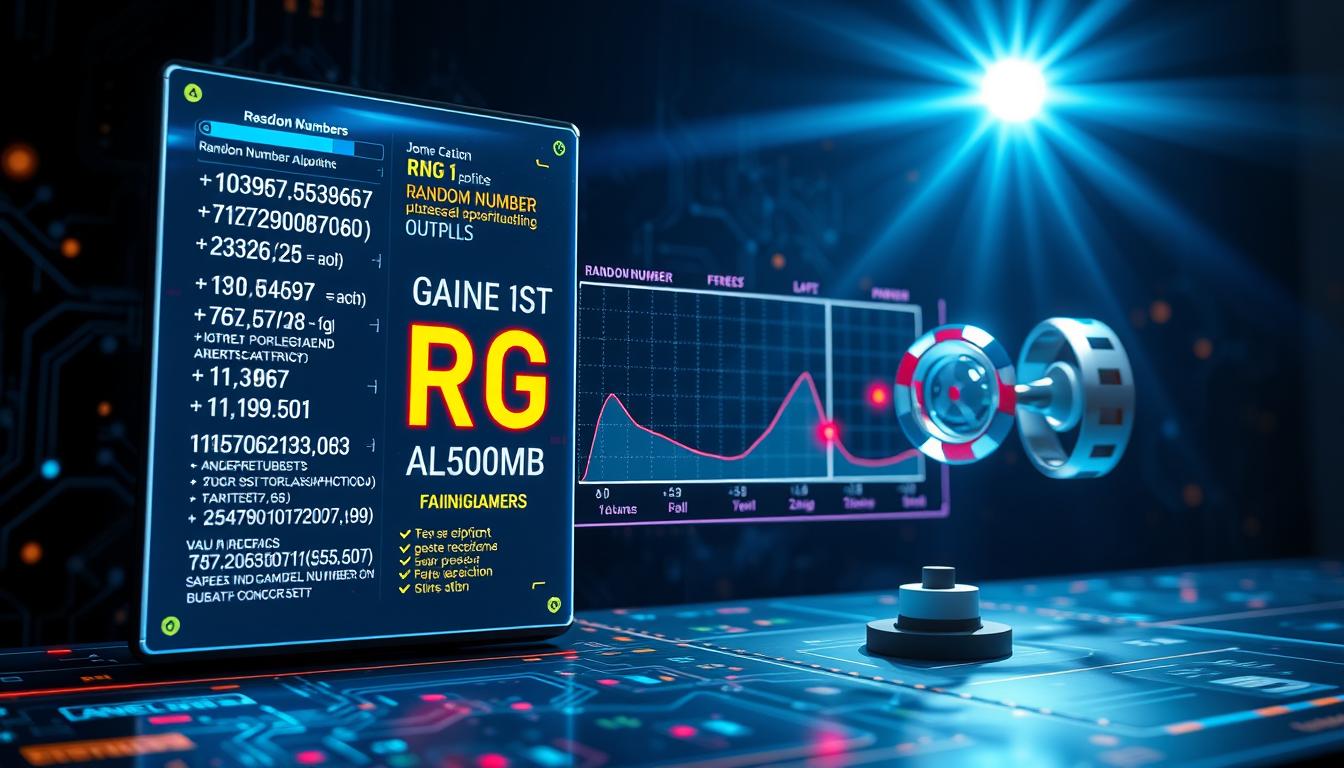
Let’s take a closer look at the digital croupier. Forget the spinning reels and sleek interface. The heart of every online casino game is its Random Number Generator, or RNG. It’s like the universe’s most diligent and impartial number machine.
There are two main types of RNGs. The PRNG is the software workhorse. It uses a starting “seed” and a complex math formula to create a sequence that looks random. It’s like trying to predict the next lyric in a Death Grips song.
The TRNG is the philosophical purist. It uses real chaos from the physical world, like static from a detuned radio.
In practice, robust PRNGs power most games. The key is a proper RNG ensures your blackjack hand or slot spin is truly random. This is why rigorous RNG testing and certification by independent labs is essential. It’s the foundation of digital trust.
Third-Party Audits
You wouldn’t trust a restaurant without a health grade, so why trust an online casino without an audit? Digital watchdogs are here to help.
Third-party auditors like eCOGRA, Gaming Laboratories International (GLI), and iTech Labs are the top of the industry. They don’t just take a casino’s word for it. They check the game’s code like a mechanic.

They face a big challenge. They run millions of game rounds through algorithms to find hidden patterns. They use tests like chi-square analysis to make sure games are fair.
Most importantly, they check the Return to Player (RTP) percentage. They make sure it’s real, not just marketing. This process helps online casinos keep games fair over time.
For regulators like the UK Gambling Commission or the Malta Gaming Authority, this is a must. It’s needed for a license. The table below shows the main players in this oversight.
| Auditing Body | Primary Focus | Key Test | Common Jurisdiction |
|---|---|---|---|
| eCOGRA | Game Fairness & RTP Verification | Statistical randomness over 10M+ spins | UK, Malta, Gibraltar |
| Gaming Laboratories International (GLI) | Technical Compliance & Security | Algorithm integrity and source code review | Global, specially US states |
| iTech Labs | RNG Certification & Game Approval | Chi-square and frequency distribution tests | Australia, Europe, Asia |
Seeing their badges on a casino site means more than decoration. It shows they passed impartial scrutiny. It’s your best assurance the game is fair.
Playing at a site without these seals is risky. Audits are like a flashlight, showing games are based on chance, not just a tax on hope.
Reading Fairness Reports
The real test of a casino’s honesty isn’t in its welcome bonuses. It’s in the detailed reports that most players skip. These reports are like the casino’s financial statements. They show if the casino plays fair or not.
The first thing to check is the RTP, or Return to Player. It’s not a promise of winning. It shows the game’s fairness over millions of plays. For example, a 96% RTP means the game pays back 96% of all money played.

Transparency is key. A casino that hides its RTP is a warning sign. It’s like a restaurant that won’t show its health score. But, some games offer a range of RTPs, like 94% to 96%. The casino chooses the exact number.
This is why picking the right casino is as important as choosing the right game. That “96% RTP” slot might pay only 94% at one casino versus another.
Third-party auditors like eCOGRA or iTech Labs are important. They check if the game payouts match the RTP. They make sure the game is fair and random. Their seal means the game is trustworthy.
Also, look at the game developer’s reputation. Studios like NetEnt, Playtech, and Microgaming are known for fairness. Choosing a game from a trusted developer is smart for fair play.
To understand the difference, let’s look at a table. It shows what makes some casinos better than others. This table is a guide for fair gaming.
| Developer/Studio | Typical RTP Standard | Reputation Marker | Why It Matters for Fairness |
|---|---|---|---|
| NetEnt | Consistently 96%+ on popular slots | Industry pioneer; games are audited by multiple independent labs. | High, transparent RTPs are the norm, not the exception. Their brand is synonymous with quality control. |
| Playtech | Often 95% – 97%, with clear disclosure. | Publicly traded company with stringent compliance requirements. | Corporate accountability forces a higher standard of transparency in all their fairness reports. |
| Microgaming | Varies, but RTP is always published and verified. | Founding member of industry fairness advocacy groups. | Long history means their RNG systems have been stress-tested over decades, ensuring no predictability. |
| Newer/Unknown Studios | Can be volatile; sometimes below 94%. | May lack multiple third-party certifications or a long track record. | Requires extra diligence. Always check for an auditor’s seal and published RTP before playing. |
Reading these reports is like learning a new language. It helps you know if you’re playing a fair game. It turns you from a passive player to an informed one.
For more on how to understand these reports, check out our beginners guide to online casino fairness. It covers everything from RNG basics to audit seals. Knowing this can give you a big advantage in fair gaming.
When Outcomes Seem Unfair
Our brains love to find patterns, even in a chaotic world. A long losing streak can feel like the RNG is out to get us. But, it’s often just random chance, the same force that brings big wins.
But, our gut feelings are important. How can you tell if a platform is unfair? Look at how they handle money and rules. Slow withdrawals or confusing rules are warning signs. Some games are too flashy, distracting us from small wins.
Listening to what others say can help. Check out player forums. Many complaints about the same issues are a sign of trouble. It’s a clear difference between bad luck and a broken system.
Using your analytical skills is key. A casino with provably fair mechanisms is open to scrutiny. The shady ones try to confuse you. Trust the math if it’s clear. Leave if the story doesn’t check out. Your smart doubts are the best fairness test.
Leave a Reply