
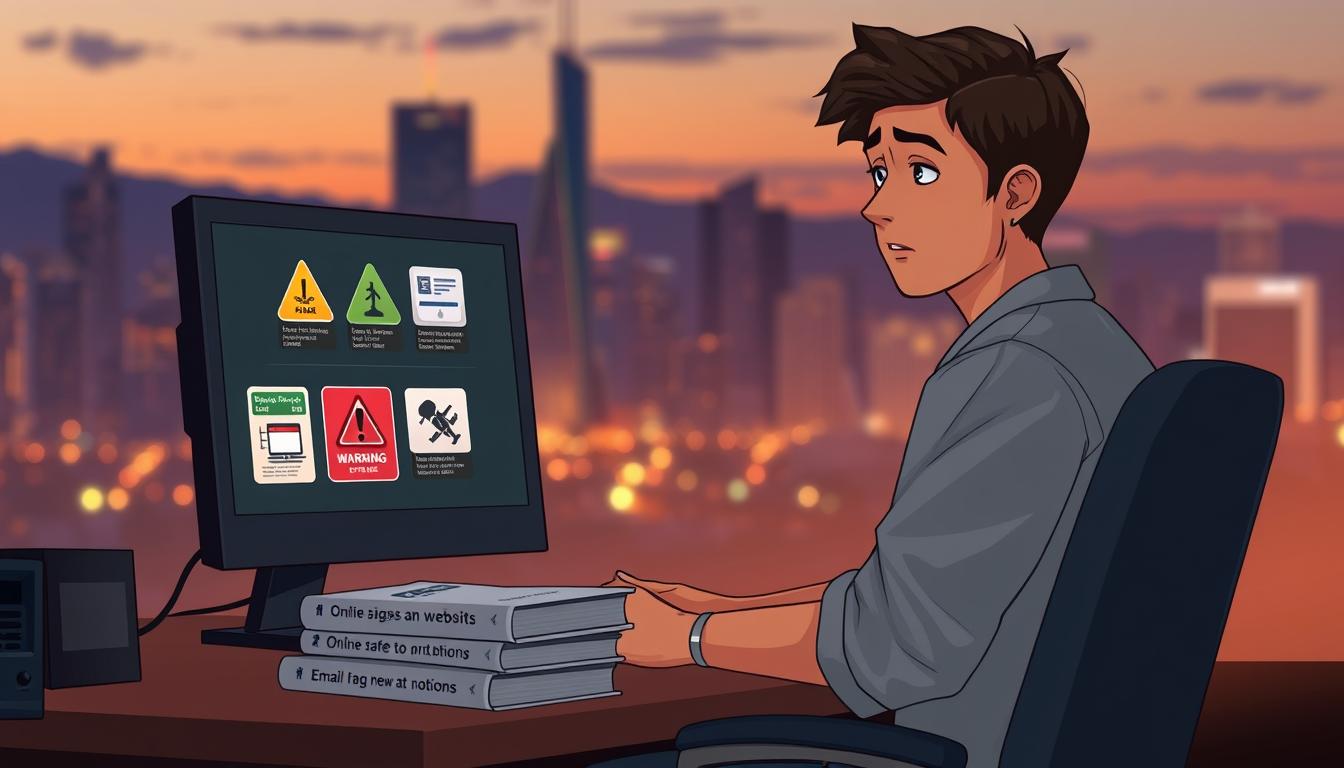
Welcome to the digital casino where the house always wins. But here, the “house” isn’t a glittering resort. It’s a faceless operator counting your money from a beach somewhere you’ll never find on a map.
We’re talking about a symphony of deceit. It ranges from the classic phishing email—as convincing as Monopoly money—to sophisticated “malicious casinos” that are all facade and no fun. Remember the FTC’s warnings about “task scams”? That’s the shell game, gamified for the digital age.
Then there’s the “scam tipster.” This is the online version of that shady character whispering about “fixed matches” behind the bleachers. Don’t forget the fake apps, either. They’re digital Trojan horses promising easy wins but delivering only regret.
Think of it as a buffet of bad faith. Our job is to hand you the menu so you know exactly what not to order. Knowledge is your best defense in this rigged game.
Red Flags & Warning Signs
The modern gambling scam doesn’t shout out its presence. Instead, it whispers through too-good-to-be-true promises and digital issues. Your gut feeling is usually right. If something feels off in online casinos, it probably is.
Be cautious of offers that seem too good to be true. Unlimited free spins or huge welcome bonuses? Such generosity is rare. These offers are like catnip, meant to lure you in before trapping you.

Look at the website or app’s quality. If it looks like it was made in one night, it’s not a startup. Clunky sites with broken links and poor graphics are signs of fraud.
Read the fine print carefully. Legit companies have clear rules. Scammers hide in the fog. If terms and conditions are unclear, it’s a big red flag. Vague policies on bonuses and requirements are a trap.
| Feature/Aspect | Legitimate Site | Fraudulent Site (Red Flag) |
|---|---|---|
| Bonus Offers | Reasonable, with clear terms and achievable wagering requirements. | Extravagant, “too good to be true” promises with hidden, impossible conditions. |
| Website/App Design | Professional, intuitive user interface with secure connections (HTTPS). | Amateurish, buggy, or clunky design; may have broken links or poor functionality. |
| Terms & Policies | Transparent, easily accessible, and written in clear language. | Vague, constantly shifting, or buried deep within the site. |
| Payment Methods | Standard, trusted options like credit cards, bank transfers, or known e-wallets. | Pressure to use unconventional methods like cryptocurrency, gift cards, or wire transfers to obscure accounts. |
| Withdrawal Process | Straightforward, with published timeframes and responsive customer support. | Convoluted, delayed indefinitely, or met with endless requests for “verification.” |
The scam’s final act is taking your money. Legit withdrawal processes are simple. If it’s hard to cash out, you have a problem. Unexplained delays or fees are the scammer’s last trick.
Watch out for unsolicited messages. That message from a “tipster” with a guaranteed system? It’s a scam. Real experts don’t need to find clients in your inbox.
Also, be wary of unusual payment requests. Asking for gift cards, certain cryptocurrencies, or direct wire transfers is a red flag. These methods are hard to trace or reverse.
Knowing these signs makes you a smart player. The house shouldn’t win by cheating.
How to Verify Site Legitimacy
Before you trust a site with your money, do a ‘digital frisk’. This means checking its credentials carefully. It’s not about being paranoid; it’s about being smart. Think of it like being a bouncer at a club of online transactions. Your job is to spot the fake IDs before they cause trouble.
Start by looking for a business license. A real gambling site shows its regulatory papers proudly. Look for a license from places like the Malta Gaming Authority or the UK Gambling Commission. No license? That’s a big red flag.
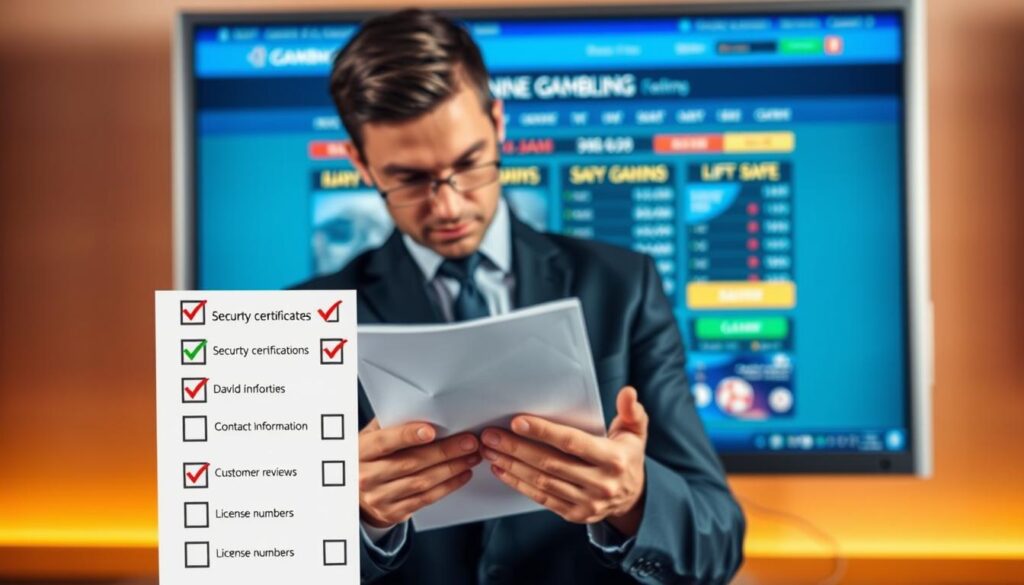
Next, check the digital store. Only download apps from the Apple App Store or Google Play Store. A random .apk file from a forum is not safe. Verified platforms have been checked for security. Third-party downloads are often fake sites in disguise.
Now, check the URL carefully. Many phishing attempts start here. Legitimate sites use HTTPS and have a lock icon in your address bar. Look for typos in the address. A site with “PayPa1” instead of “PayPal” is likely fake.
Here are the key checks to make:
- The License Check: Find and verify the gambling license number on the site’s footer.
- The Source Test: Only install apps from official stores—never sideload.
- The URL Autopsy: Examine every character in the web address for inconsistencies.
- The Review Deep Dive: Read beyond the glowing five-star testimonials.
Reviews are important, but don’t just read the good ones. Look for complaints too. Complaints about delays or unfair odds can tell you a lot. They show what’s really going on behind the scenes.
Design matters too. A professional-looking site suggests it’s legitimate. A site that looks old and amateurish might be a scam.
Be wary of offers that seem too good to be true. A “200% welcome bonus” with no wagering is unrealistic. Legitimate sites make money, while fake sites just want your money.
Verifying a site takes just a few minutes but can save you a lot of trouble. In today’s world of fake sites, being cautious is key. Your careful checks might seem overcautious, but they keep you safe.
What to Do if Scammed
So the house won this round. Your first move isn’t sulking—it’s strategic counterplay. Think of it as a hostile takeover of your own security.
Report the incident immediately. Notify the gaming platform using their official channels. Then file with the Federal Trade Commission at ReportFraud.ftc.gov. Consider this your civic duty, a Yelp review that actually matters.
Initiate a digital lockdown. Change every password connected to the breach. Cancel any credit card used faster than a dealer shuffles a fresh deck. This isn’t overkill—it’s basic Scam Awareness in practice.
Your experience now has tangible value. Document everything. This transforms theoretical Scam Awareness into a gritty, actionable protocol. You’re not just recovering; you’re building a public case file against bad actors.
Turn this knowledge into power. Understanding terms like those explained in this gambling terminology guide helps spot irregularities that groups like eCOGRA warn about. Your sharpened awareness becomes your best defense.
Leave a Reply