

The digital world is very convenient, but it also brings new risks. Every time you click or download, you might face hidden dangers. Knowing how to stay safe is your best defense.
Today’s online threats often look friendly. You might find fake books that take your money instead of telling a story. Phishing emails can trick you into giving away your passwords, looking very real.
Another common trap is offers that seem too good to be true. These scams promise amazing deals on products, services, or investments. They aim to get you excited and ignore your doubts.
This guide will teach you to spot these dangers. We’ll explain the tricks used in each scam. You’ll learn how to check offers and keep your info safe, making caution a simple habit.
Red Flags & License Checks
Knowing the signs of a publishing scam is key to protecting your work and money. The world of publishing is getting more dangerous, with new scams using artificial intelligence. These scams don’t just steal your writing; they also take your money and break your dreams.
Real stories are scary. Authors have lost thousands to fake editors from big names like Penguin Random House or HarperCollins. Others have been tricked by fake agents who ask for money to represent them. These scam sites look real, copying the logos and words of trusted companies.
Being cautious is important. Be wary of any unsolicited offers. If someone suddenly praises your work and promises a big deal, it’s a warning sign. Real publishers and agents don’t make cold calls with such big promises.
Here are common red flags to watch out for:
- Requests for Upfront Payment: Any publisher or agent asking for money upfront is likely a scam. Money should go to the author, not from them.
- Too-Good-To-Be-True Terms: Offers that promise bestseller status or huge advances for unknown authors are unrealistic. Real publishing is competitive and takes time.
- Impersonation of Trusted Entities: Scammers often pretend to be the “Big Five” publishers or well-known authors. They use similar names and logos to trick you.
- Pressure to Act Fast: Scammers try to rush you into signing a contract. They say the offer will expire if you don’t act quickly.
To spot the difference between real and fake opportunities, look at this comparison.
| Indicator | Legitimate Publisher/Agent | Potential Scam Operation |
|---|---|---|
| Initial Contact | Often through referrals, conferences, or a slush pile query you submitted. | Unsolicited email or message with excessive, generic praise. |
| Financial Terms | Earns commission on sales; does not charge authors fees for reading, editing, or publishing. | Requests upfront fees for “processing,” “marketing,” or “contract preparation.” |
| Online Presence | Clear, professional website with verifiable physical address, staff bios, and client list. | Website looks new, has typos, lacks specific details, or uses a free web domain. |
| Communication | Uses official company email domain (e.g., @penguinrandomhouse.com). | Uses public email domains (Gmail, Yahoo) or domains with slight misspellings (e.g., @penguinrandombouse.com). |
The email domain is a big clue. Always check the sender’s address. Scammers might use “@auth0rsguild.org” instead of “@authorsguild.org”. Hover over links to see where they really go before clicking.
Also, check licenses and affiliations. Real literary agents in the U.S. are often in the Association of Authors’ Representatives (AAR). They don’t charge reading fees. A quick search for “[Company Name] + scam” or “[Agent Name] + complaint” can show if there are problems.
Knowing these tips makes you a savvy writer. Being careful is not being cynical; it’s smart business in today’s publishing world.
Secure Payment & Withdrawal Practices
In legitimate publishing, money flows in a clear way. Scammers always break this rule. Knowing this flow helps protect your money. Secure payments depend on the business model, not just the payment method.
The key rule is: traditional publishers pay you, not the other way around. They invest in your work with an advance and royalties. Any claim of being a traditional publisher or agent asking for money upfront is a scam. It’s that simple.
Hybrid publishing is different. It’s a cost-sharing partnership between author and publisher. It’s important to do your research. A good hybrid publisher offers clear value, is transparent about costs, and has a fair royalty structure. They act like professionals, not vanity presses.
When hiring freelancers like book publicists or marketers, a fee-for-service model is common. To make sure secure payments happen, follow these steps:
- Insist on a detailed written agreement. This contract should list every deliverable, milestone, and the associated payment schedule.
- Never pay 100% upfront. Payments should match completed work or clear milestones. A common split is 50% to start and 50% upon completion.
- Research the provider thoroughly. Check their portfolio, client testimonials, and business history. Be cautious of those who rush you to pay.
- Use traceable payment methods. Credit cards or secure platforms like PayPal offer purchase protection. Avoid wire transfers or gift cards.
A big warning sign is a “hybrid publisher” charging too much for little value. This is often a scammer in disguise.
Having a solid contract is your best defense. A written agreement legally ties payment to performance. It makes promises real. If someone won’t agree to a contract, it’s a red flag. This is key to avoiding scams in any field.
By following these steps, you become a more informed partner. Secure payment practices are essential for a safe and successful publishing journey.
KYC/Verification Tips
Adopting a ‘Know Your Counterparty’ mindset turns suspicion into a strong defense against literary fraud. For authors, KYC is not just a formality. It’s a key step in protecting your work.
This method turns doubt into action. Before you start any business talks or send money, use this checklist to verify.
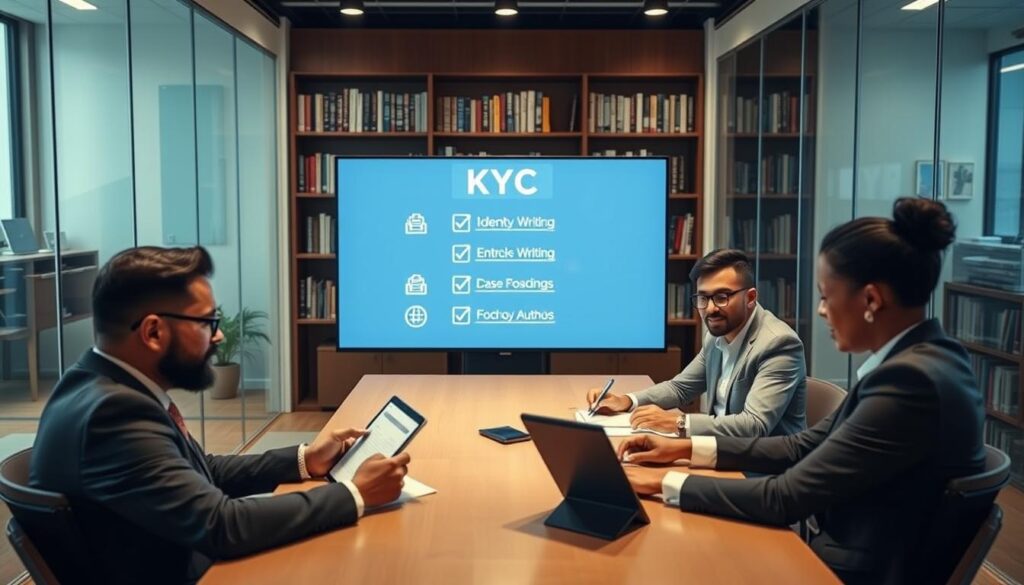
Check every email address and website domain. Make sure any messages from big publishers come from their official sites.
An email claiming to be from “[email protected]” is fake. The real domain is penguinrandomhouse.com. Always check the sender’s email against the company’s contact page.
Don’t click on links in emails you didn’t ask for. Instead, type the official URL into your browser.
- Conduct Proactive Third-Party Research
Use trusted sources to check any opportunity. The Writer Beware blog is a great place to start.
It lists publishing scams, bad agents, and impersonations. Check if the company or person contacting you is on their list.
Groups like the Authors Guild also offer advice and forums. Asking there can help you verify information quickly.
- Leverage Official Publisher Resources
Real publishers warn about scams pretending to be them. The “Big Five” all have anti-fraud pages.
Save these links for your KYC checks:
- Hachette Book Group: Anti-Scam Warning Page
- HarperCollins Publishers: Fraud Alert
- Macmillan: Imposter Scams Information
- Penguin Random House: Privacy & Security
- Simon & Schuster: Author Guidelines & Scam Alerts
If an offer mentions one of these publishers, check it on their official site.
- Make Direct Contact for Confirmation
If you’re unsure, call or email directly. Use the publisher’s website contact info, not the scammer’s.
Ask the right department, like subsidiary rights or editorial, to confirm the offer. A real professional will respect your caution.
Seeing KYC as your duty empowers you. It makes you a proactive, informed part of your publishing journey.
This checklist is your defense. It helps you invest your time, work, and trust wisely.
Phishing & Social Scams
Domain spoofing is a common trick used in phishing attacks against writers. It involves creating fake websites that look like real companies. Scammers often target authors with emails, social media, and phone calls, pretending to be trusted contacts.
They might pretend to be a famous editor, a literary agent, or someone from a big publishing house like Penguin Random House. Their goal is to quickly gain your trust. This trust is the first step in their scam.
Email domain fraud is a common scam. A scammer might use “macmillanpublishing.com” instead of the real “macmillan.com”. Always check the full email address, not just the name.
These scams often try to rush you. You might get a message saying your contract is about to expire or that your manuscript has been chosen for a special offer. Any urgent requests are a big warning sign. Real businesses give you time to review things.
Social engineering uses emotions to trick you. Scammers might praise your work or mention a shared connection to make you less cautious. They might use famous authors or publishers to seem real. But, real professionals won’t ask for sensitive info or payments in strange ways.
Stay ahead of scams by being proactive. Here are some steps you can take today:
- Inspect URLs and email addresses carefully. Hover over links to see where they really go before clicking.
- Verify contact on your own. If you get an email from “HarperCollins,” check their real website for contact info and call to confirm.
- Be wary of urgency. Any demand for quick action or payment should raise big red flags.
- Protect your personal info. No real publisher will ask for your bank details or Social Security number in an unsolicited email.
To spot the differences, compare real communications with phishing attempts:
| Aspect | Legitimate Signal | Phishing Red Flag |
|---|---|---|
| Sender Email Domain | Uses the company’s official domain (e.g., @simonandschuster.com) | Uses misspelled or extra-wordy domains (e.g., @simon-schuster-office.com) |
| Urgency & Tone | Professional, detailed, allows time for review | Pressuring, threatening loss of opportunity, grammatically flawed |
| Request Type | May ask you to log into a secure portal or sign a formal document | Asks for wire transfers, gift cards, or passwords directly in email |
| Contact Method | Official letterhead, verifiable phone numbers, and physical address | Communication only through email or social media DMs, refusing a call |
Staying safe from scams means being cautious. Always question unsolicited digital messages. Verify first, trust later. By knowing these tactics, you protect your work, money, and personal info. Your creativity should thrive in a safe space, free from online threats.
What to Do if Something Goes Wrong
Act fast if you suspect a scam. Stop talking to the suspicious person. Don’t send more money or personal info.
Keep a record of all interactions. Save emails, texts, and website URLs. Note dates and details of talks. This evidence is key for any investigation.
Tell the Authors Guild about the scam at [email protected]. They help victims and warn their members. Your report helps everyone stay safe.
Also, share your story with trusted writing groups. Warning others can stop scams. Together, we can avoid scams better.
The Authors Guild fights for laws against literary scams. Your report helps them in this fight. It makes writing safer for everyone.
Leave a Reply