

Do you remember the excitement of the GameStop frenzy in the stock market? Now imagine that thrill in sports. Welcome to live betting – the day trading of sports wagering.
This isn’t like betting before the game starts. It’s real-time gambling where you bet as the game happens. You’re not just guessing who will win anymore. You’re reacting to the game’s flow, the coach’s moves, and when a star player gets into their zone.
The in-play odds change as fast as election polls. One play can change everything. It’s a mix of analysis and instinct in a thrilling way.
I moved from betting before games to live betting. It’s not just about gambling. It’s about being right in the heart of the action. Every play is a story, and every choice matters.
When and Why Odds Change Live
Watching live odds change is like seeing Wall Street algorithms freak out during a crash. The numbers don’t just change; they react to every play with urgency. It’s like a political campaign manager during a debate gaffe.
Sportsbooks aren’t random. They’re complex machines that adjust odds fast. When a star player gets hurt or a team goes cold, they change odds quicker than a supercomputer.
The house edge isn’t fixed. It’s like a politician’s promise: it can change anytime. Sportsbooks adjust it based on the sport, location, and player behavior. This creates chances for smart bettors.
I once saw NBA playoff odds change 15 points during an injury timeout. The algorithm freaked out, changing odds fast because of one player’s ankle injury. This is when instant bet chances appear – before the math catches up.
So, why do odds change so much? Three main reasons:
- Game Events: Injuries, red cards, weather changes – anything that changes the odds
- Money Flow: Sharp bettors’ money moves odds
- Algorithmic Reactions: Automated systems react fast to odds
The beauty lies in the mix of math and real-world surprises. It’s like watching polls change during a scandal. The numbers tell a story that keeps changing.
| Game Situation | Typical Odds Shift | Window Duration | Smart Response |
|---|---|---|---|
| Key Player Injury | 10-20 point swing | 30-90 seconds | Instant bet on opposing team |
| Score Change | 5-15 point adjustment | 15-45 seconds | Live hedge existing position |
| Weather Shift | 3-8 point movement | 2-5 minutes | Adjust totals bets |
| Sharp Money Influx | 2-6 point correction | Instantaneous | Follow smart money |
Knowing how odds change makes live betting like chess. The house edge disappears when you spot patterns fast. It’s why odds change so fast – the market seeks balance in chaos.
Successful real-time wagers mean seeing odds as dynamic. They’re not fixed. The goal is to spot when the odds don’t reflect the game’s current state.
Strategies for Fast, Smart Bets
Mastering live betting is more than just speed. It’s about strategy. Sharp bettors analyze odds like chess players study the board.
It’s like forensic sports analysis meets Wall Street trading. You’re looking for moments when the market hasn’t caught up. The goal is to decode the game.
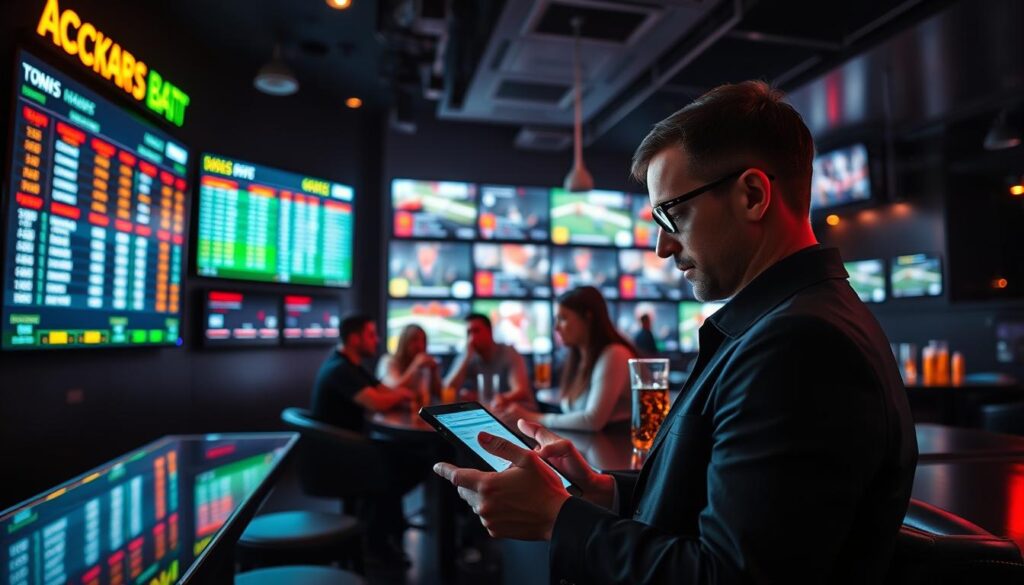
Monitor the Game Closely
This isn’t just watching TV. It’s about analyzing every detail. Look for momentum shifts and coaching decisions.
I once noticed a basketball player favoring his left ankle after a fall. The cameras missed it, but the betting markets didn’t adjust. That’s where the opportunity was.
Wait for Key Moments
Patience is key. Like a sniper or a Broadway director, wait for the right moment. This is when the best bets happen.
Early on, I’d bet too quickly. I learned that sometimes, the best bet is to wait. Timing is everything.
Understand Market Inefficiencies
Market inefficiencies are where you find gold. They happen when algorithms are slow to react. It’s like finding hidden eBay gems.
Watch for:
- Player substitutions due to injuries
- Weather changes that affect gameplay
- Coaching decisions that shift strategy
- Momentum swings that stats can’t catch up to
Avoid Chasing Losses
Chasing losses is a big mistake. It can turn a bad day into a disaster.
I once saw someone try to recover from a bad bet by making more and more ridiculous bets. By halftime, they were betting on silly things. Don’t do that.
Take Advantage of In-Game Prop Bets
Prop bets are the hidden gems of live betting. They often offer the best value.
Look for props that match what you’re seeing in the game. For example, if a player is injured, bet under on their points. If a quarterback is favoring his throwing arm, bet under on passing yards.
| Strategy | Beginner Mistake | Professional Approach | Potential ROI |
|---|---|---|---|
| Game Monitoring | Watching casually | Forensic analysis | High |
| Timing Bets | Betting constantly | Waiting for key moments | Very High |
| Market Inefficiencies | Following crowd | Finding mispriced odds | Extreme |
| Loss Management | Chasing losses | Sticking to strategy | Consistent |
| Prop Bets | Ignoring them | Targeting value props | High |
Successful live betting isn’t about speed. It’s about being the smartest observer. The markets will adjust, but you need to beat them to it.
Timing Your Wagers
Timing your live bets is like trying to catch lightning in a bottle. But the bottle has a 30-second delay, and the lightning has already struck. This makes the difference between pros and amateurs clear, like a 100mph fastball.
Raheem Palmer’s insight is powerful: unless you’re at the game, you’re 30 seconds behind. That’s enough time for three pitches, a touchdown, or your betting window to close.
My Thursday Night Football experience on Amazon Prime was a lesson in frustration. Trying to place an instant bet during live play was like day trading with yesterday’s news. By the time my wager processed, the line had moved, and I was left with a loss.
The solution is to use the natural pauses. Quarter breaks and halftime are not just for breaks. They’re your chance to think ahead, not just react.
Think of it like this: during live action, you’re blindfolded trying to hit a moving target. During breaks, you can aim at a stationary target. The success rate is much higher.
This strategy is great for live MLB wagers. Inning breaks let you check on pitcher performance and batter matchups without the rush of live action.
Remember, in live betting, when you bet is more important than what you bet. The best gamblers wait for the right moment to bet, not just guess wildly.
Tools & Apps
Think of your live betting setup as a trader’s Bloomberg terminal. It’s not just luck. Success or frustration often depends on your tech.
In the beginning, I was like a caveman trying to start a fire. I had one browser tab and one sportsbook, constantly refreshing. Then, I learned about using multiple sportsbooks, a strategy pros like Raheem Palmer use.
Having many sportsbooks open at once is key. It’s like having multiple financial news feeds. You can spot odds differences in real-time wagers across platforms.
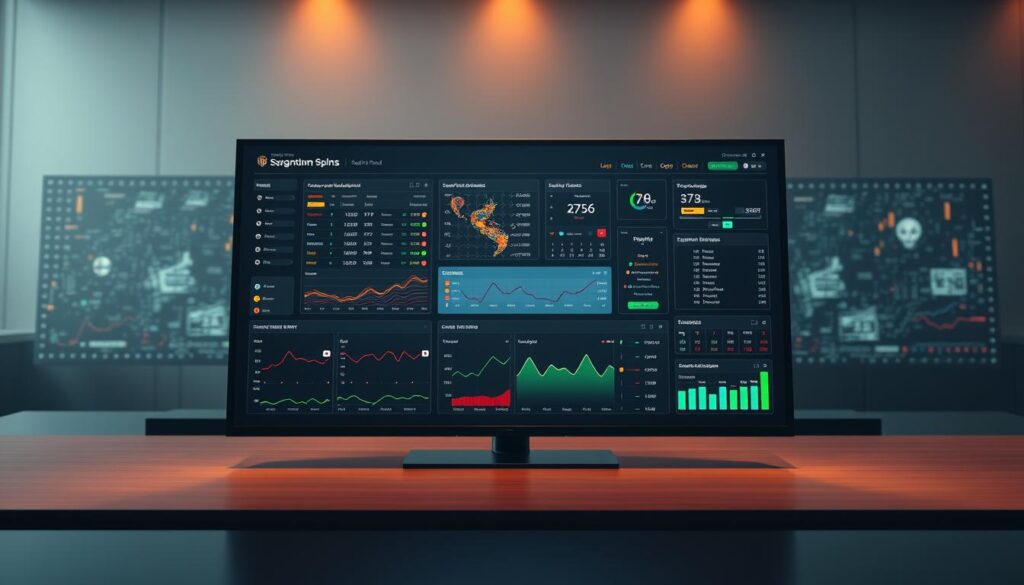
Now, my setup is impressive. I have three monitors, six sportsbook apps, and tools to track my edge. It’s a big change from betting on one screen.
Portfolio EV is a standout tool. I tested it with skepticism, but it works well. It helps grow your bankroll and increase profits. Try it for free.
What makes a pro from an amateur in real-time wagers is:
- Multiple book access (minimum 3 accounts)
- Portfolio tracking software
- Low-latency internet connection
- Second screen for game footage
- Custom alerts for odds movements
Fast refresh rates are more important than your monitor’s specs. A half-second delay can cost you the best price on real-time wagers. It’s like missing a wave.
It’s not just about seeing odds fast. It’s about processing info better than the market. Your tools should give you an edge, not put you at a disadvantage.
Smart real-time wagers need more than gut feelings. They need top-notch tech. The question is, can you afford to bet without it?
Data for Live Betting
Let me share my journey from ignoring statistics to seeing their value. I used to think they were only for baseball fans. But then, I discovered data and it changed everything.
The house edge varies by sport and market. This edge is called the overround. Knowing it is like having an inside tip at a casino.
| Sport | Moneyline | Point Spread | Totals |
|---|---|---|---|
| NBA Basketball | 2.5-4% | 4-6% | 5-7% |
| NFL Football | 3-5% | 4-6% | 5-8% |
| MLB Baseball | 4-6% | N/A | 6-9% |
| NHL Hockey | 3-5% | 5-7% | 6-8% |
Notice how totals markets have higher overrounds? This is the sportsbook’s extra charge for live scoring’s unpredictability. This table is more than numbers; it’s a guide to where the house takes its biggest cut.
Now, let’s talk about finding value in in-play odds. Raheem Palmer uses “sports arbitrage” to find lines that don’t match consensus rankings. It’s a smart way to bet.
Here’s how it works: If Team A beats Team B, and Team B beats Team C, Team A should crush Team C. When live odds don’t show this, you’ve found a chance to bet against the odds.
I once made spreadsheets so detailed, they’d impress an actuary. The lesson? Data beats intuition every time. My “gut feeling” about comebacks was as wrong as believing in a flat Earth.
The magic is in knowing the overround and spotting outliers. It’s not just betting on games; it’s betting against bad in-play odds. This is the difference between smart betting and just guessing.
Remember, every percentage point in overround counts. Finding these statistical edges in live markets is what makes a good bettor.
Conclusion: Staying Sharp in Real Time
Live betting turns watching sports into a high-stakes game. Every play is critical. It’s a mental challenge that separates casual fans from serious bettors.
I learned the hard way – chasing bad bets during emotional moments taught me discipline. Real-time wagers need focus and patience, like a surgeon or bomb expert.
The goal is not to avoid mistakes but to prevent big errors. Keep your mental energy like you protect your money. Fatigue leads to mistakes, and mistakes cost you.
Good live betting mixes numbers with gut feelings. It’s about knowing when to step back and when to attack. The best bets come from clear thinking, not desperation.
Stay alert. Stay focused. Your money is counting on it.
Leave a Reply